

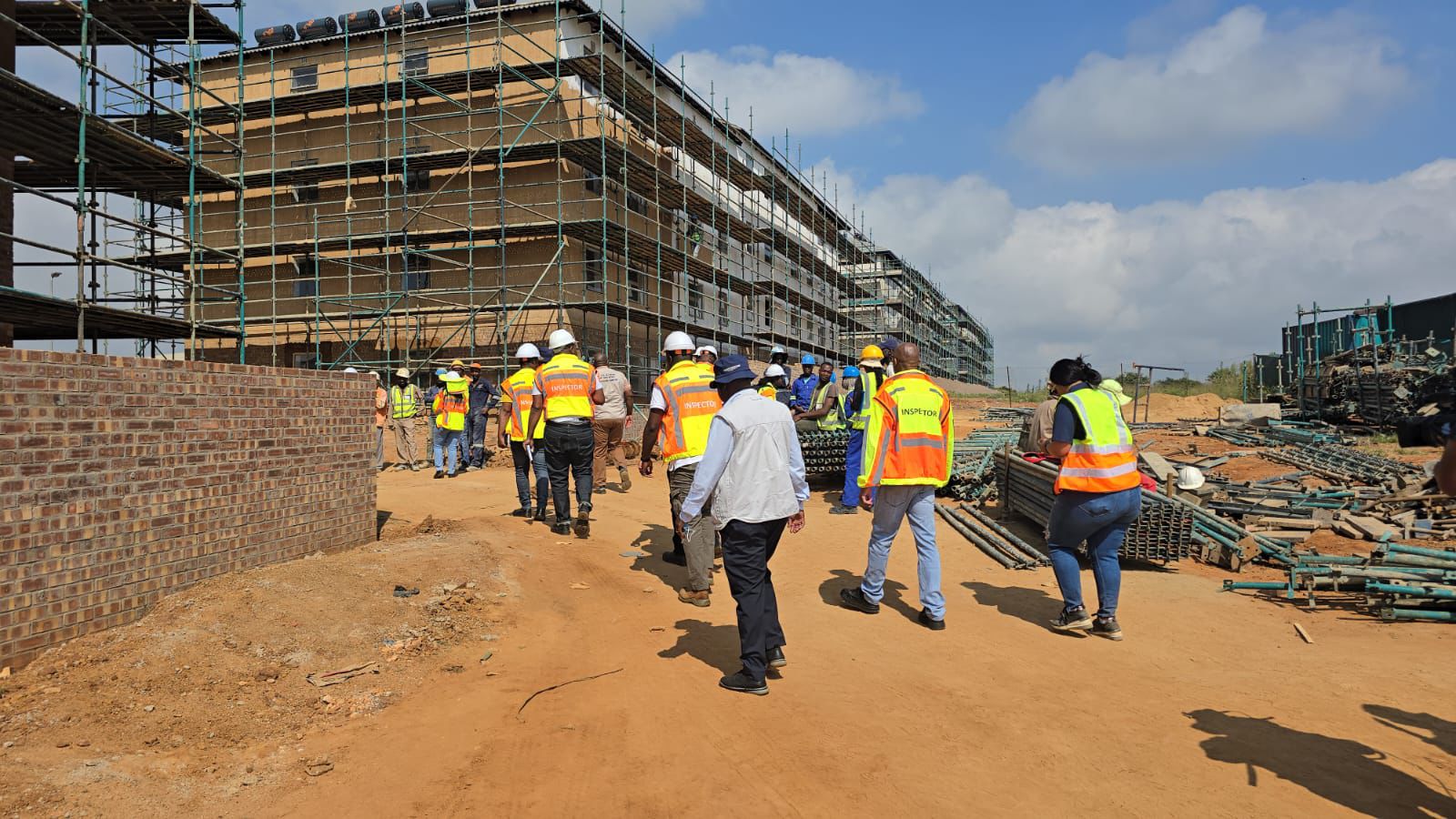
Nkosindiphile Xhakaza and Deputy Minister Jomo Sibiya conducted an unannounced oversight visit to the Ekurhuleni Clayville Mega City Social Housing Project this week — a move that signals growing urgency within government to confront mounting social and economic pressures facing Gauteng’s municipalities.
The visit follows the 2026 State of the Province Address delivered by Gauteng Premier Panyaza Lesufi, in which he once again raised concerns about undocumented migrants in the province. The Premier warned that Gauteng is increasingly attracting individuals “with no records and no known background,” describing the trend as a serious security concern that requires decisive state intervention.
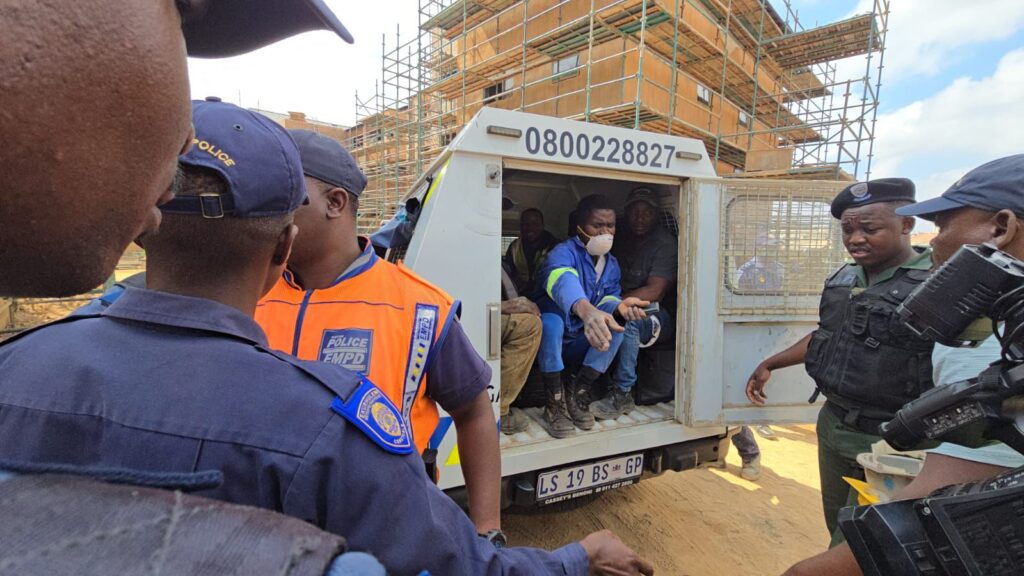
Mayor Xhakaza echoed these sentiments, emphasizing that unmanaged and undocumented migration presents tangible risks to local governance and community stability if left unaddressed.
At the center of the debate lies a complex reality. Gauteng, as South Africa’s economic hub, continues to draw people from across the continent in search of opportunity. Yet without effective documentation systems, border management, and intergovernmental coordination, municipalities are left to absorb the consequences.
Unregulated migration can place considerable strain on already stretched public services. Housing projects, healthcare facilities, schools, and employment programs face growing demand. In communities where unemployment remains stubbornly high, perceptions of competition for jobs and services can inflame social tensions.
At the same time, undocumented individuals themselves are often among the most vulnerable. Without legal status, many are exposed to labor exploitation, human trafficking networks, and criminal syndicates. Their invisibility within formal systems makes it difficult for authorities to distinguish between law-abiding migrants and those engaged in illicit activities — complicating law enforcement efforts.
The issue, therefore, is not simply about migration. It is about governance, accountability, and the rule of law.
Failure to act decisively risks more than administrative overload. It risks eroding public trust in government institutions. Communities that feel unheard or unsafe may resort to unrest. Violence fueled by frustration and misinformation becomes more likely in the absence of clear policy direction and visible enforcement.
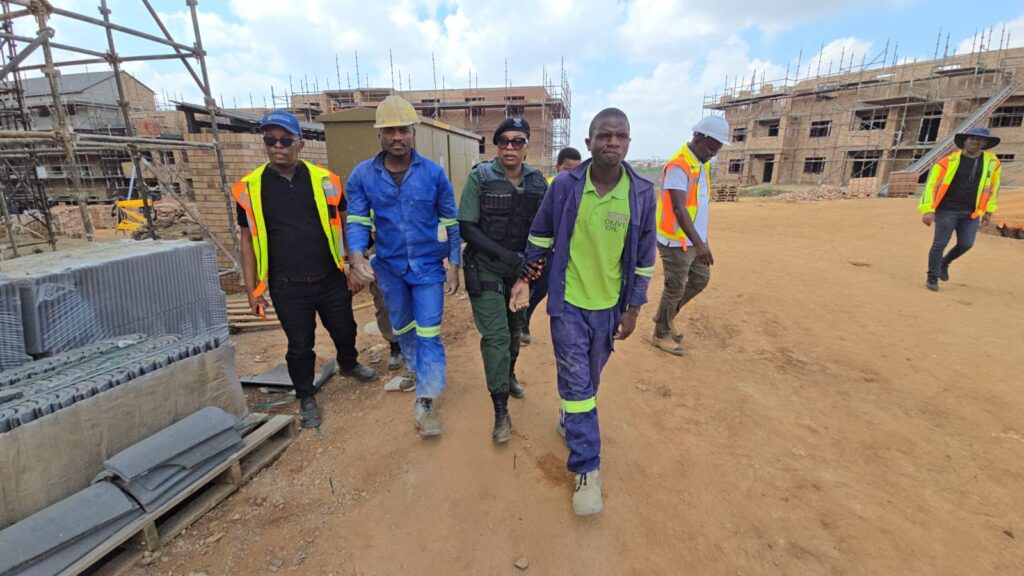
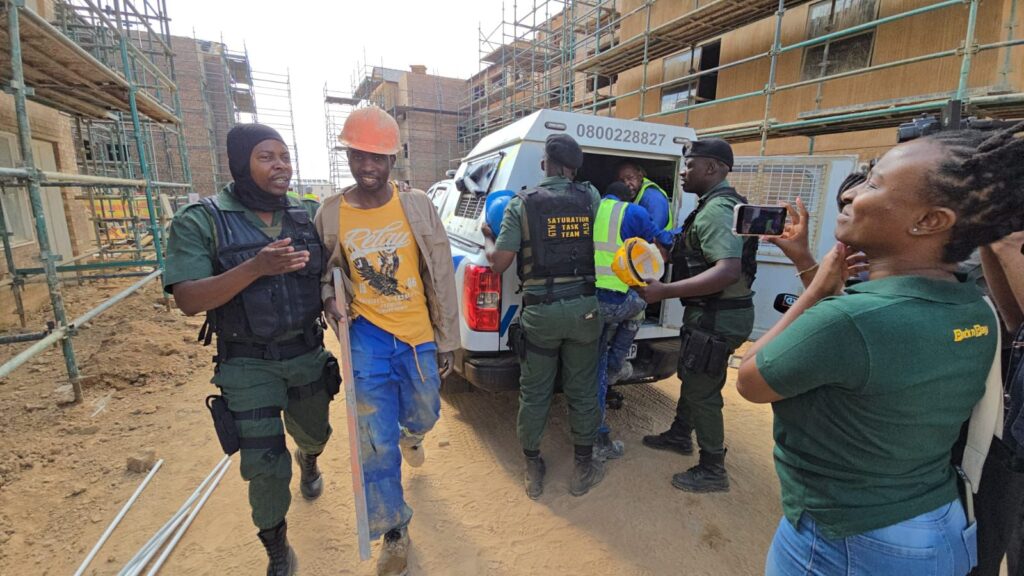
However, the solution cannot be reactionary or inflammatory. It must be structured, lawful, and humane. Strengthened border management, efficient documentation systems, coordinated data-sharing between departments, and targeted economic interventions are essential. So too is clear communication to communities — ensuring that policy responses uphold constitutional values while protecting national security.
Mayor Xhakaza’s appeal is ultimately a call for balance: to safeguard residents, preserve public resources, and restore confidence in governance — while ensuring that South Africa’s commitment to human dignity and legal process remains intact.
Gauteng stands at a crossroads. Decisive leadership today will determine whether the province manages migration responsibly — or allows unmanaged pressures to deepen instability tomorrow.